Hi there, I am Homi. Memorizing lessons and scoring good grades need not be difficult if you know the right techniques.

In the next few minutes, I will teach you such a technique that makes use of stories for memorizing lessons.
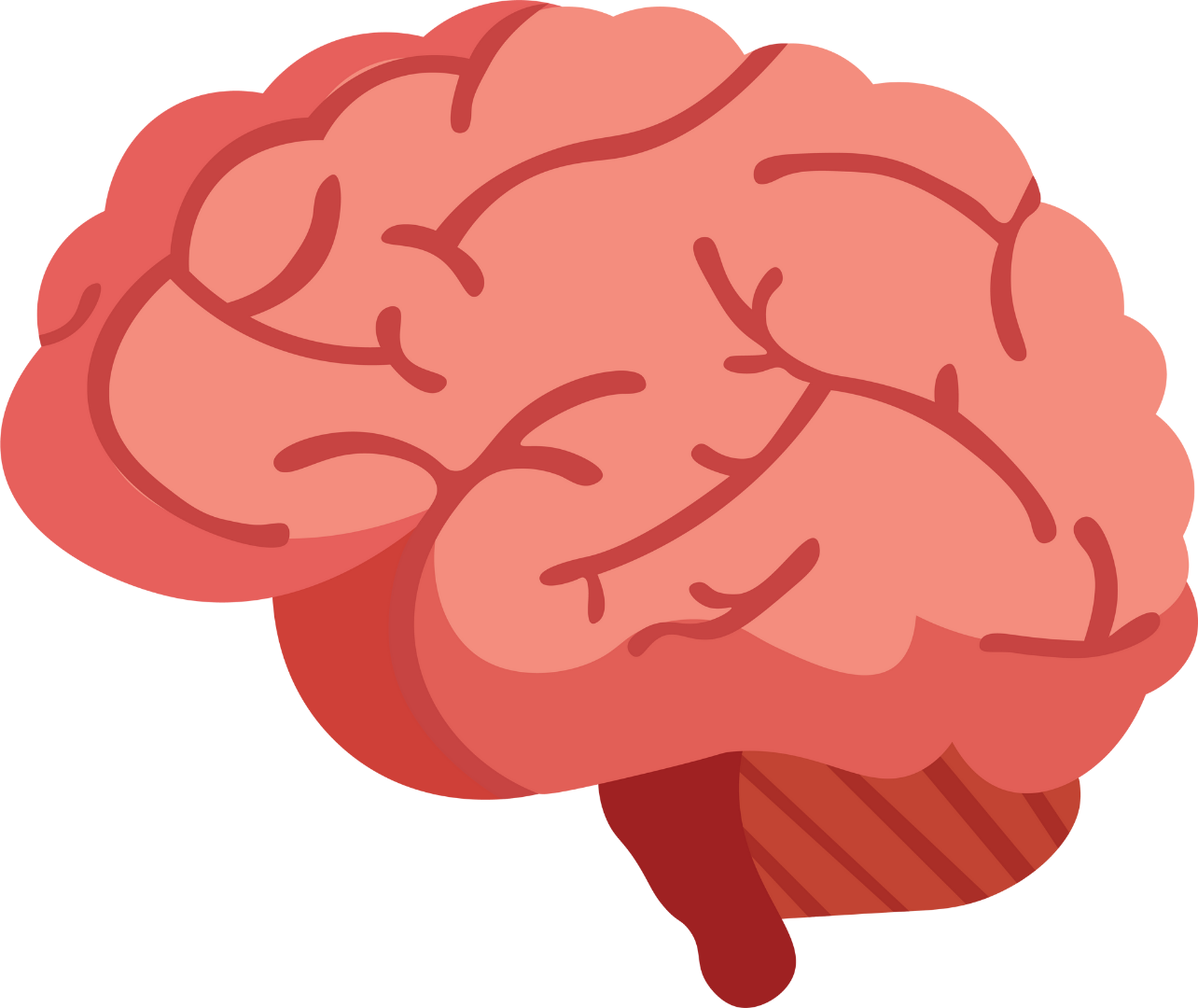
Before we can learn the technique, we need to first understand how our brain and our memory works.
Occipital Lobe
This is your center for visual memories. Located at the back of your head, it turns what you see into visual memories.
This is your center for understanding language and remembering verbal information. It is located on the side of your brain.

Are you ready for a quick quiz? Study the regions again if you like.
If you are memorizing a handwritten list of all the works of William Shakespeare, where in your brain would it get stored?
The temporal lobe would store this information as it our center for remembering verbal information.
The correct answer is the temporal lobe. The temporal lobe would store this information as it is our center for remembering verbal information.

We think we have "a memory" but as we just saw, we actually have several different "memory regions".
Memorizing lessons makes use of our verbal memory which as you learnt, relates to our temporal lobe.
If someone isn't good at memorizing lessons, it means their verbal memory isn't very good.
Let's find out why.
While that can work, it will take a lot of work. A better way would be to simply tap into our other memory regions. Why? Let's find out.

Our visual and spatial memories are stronger, much stronger than our verbal memory, and we can easily tap into them for our studies.
You won't believe just how superior your visual and spatial memories are, compared to your verbal memory!

To experience the power of our visual and spatial memories, let's do another activity. Find Mama Mouse and help her out.

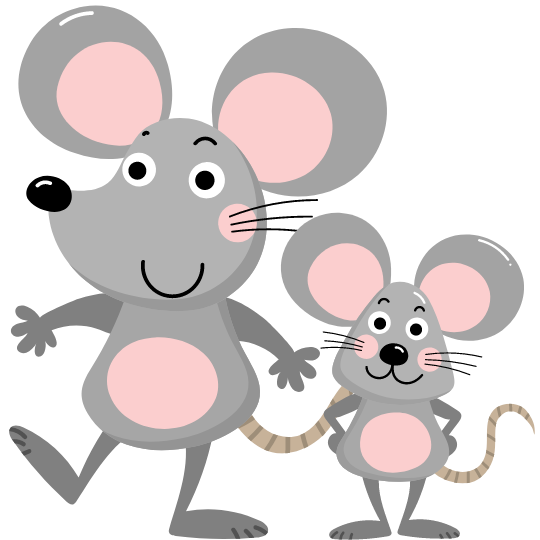
Hi there, kind stranger. I am Mama Mouse. My son, Kevin, and I live here. Sometimes we go to the house next door to find food, and er, do other things. Yesterday too we went there, but Kevin got lost. I really love my son. Can you help me find him?

I can recount ten places and things that we went to and he must be in or near one of those. My memory is a bit wobbly. I can't remember names of things but I can give you a description. Can you check there?

As you search the house, try to memorize the places and things you see. This activity is designed to engage your visual and spatial memories.

1. We entered the house through a tall, smoky, brick tower. It was cold and sooty. (Find this place or thing in the house)

2. It was freezing outside and we were cold. We went straight to the best place in the house to warm our fur.

3. As the color returned to our noses, we began looking for food, for we were famished. We found a holey treat in the deepest place of the house.

4. After our feast, it was time for some entertainment. I just love to see the mouse foiling the cat's plans again and again.

5. But Kevin is a smart kid. That boy is really into science. His favorite thing is the long, shiny tube that shows the stars.

6. Suddenly, we heard a loud clang. We went out to check the room full of metal beasts.

7. Thankfully, it was nothing; we came back into the house. A full belly made Kevin energetic. We went to climb the tall, wooden tree with many arms holding giant's clothing.

8. Kevin's growing up very fast. He has outgrown the tree. He began to run up and down the house using the many steps.

9. Kevin called me to show that humans have now created a plastic version of us. As he pushed it a large thing near it lit up.

10. Then there was the unmistakable sound of the people coming back. We rushed to escape through the fastest route - the long, narrow water slide.
You found the place. But Kevin's not here. Get the next clue from Mama Mouse.
1.Chimney
2.Fireplace
3.Cheese
4.Television
5.Telescope
6.Garage
7.Coat hanger
8.Staircase
9.Computer
10.Drain Pipe

Good job! I hope you had fun.
Next, I will show you another list of 10 words. Try and memorize as many as you can. This activity will engage only your verbal memory.

Now, take 30 seconds to recollect all the places and things in the house in order. Try to remember Mama Mouse's story, and travel around the house with your "mind's eye".

Now take 30 seconds to recollect all the words from the word list.

Did it feel easier to recollect the words from the activity? That's because you used your visual and spatial memories during the activity and they are very powerful. The list, on the other hand, engaged only your verbal memory.

Try one more thing - recollect the words from the activity and the list tomorrow, and even after a week. You will find that while your verbal memory fades quickly, your visual and spatial memories stay intact for much longer!

Like this list of words, you can tap into your more powerful memory regions for your studies. In the next activity let's apply the technique I promised you. It will engage even your episodic memory.
So what did we see? That different methods can result in different outcomes of learning or memorization.
In the first challenge you used your visual and spatial memory. Spatial memory is how you make sense of the physical space around you. In a 2-D picture it can be how you make sense of that 2-D world.
Whereas in the 2nd example you used only your verbal memory.
You may have thought we have only one kind of memory. But the truth is we have many. So if your verbal memory is not doing the job for you, the key is to engage your other memories.
How can we do that? Are your curious to know? Let's do an activity.
That was fun. But lessons are not lists of words. So how do you go from here to a lesson.
While this method was good, we will explore another method which is even poewrful. Arguably it should increase your memory 15-20 times.
You can apply this method to memorize anything. AI will help with stories.